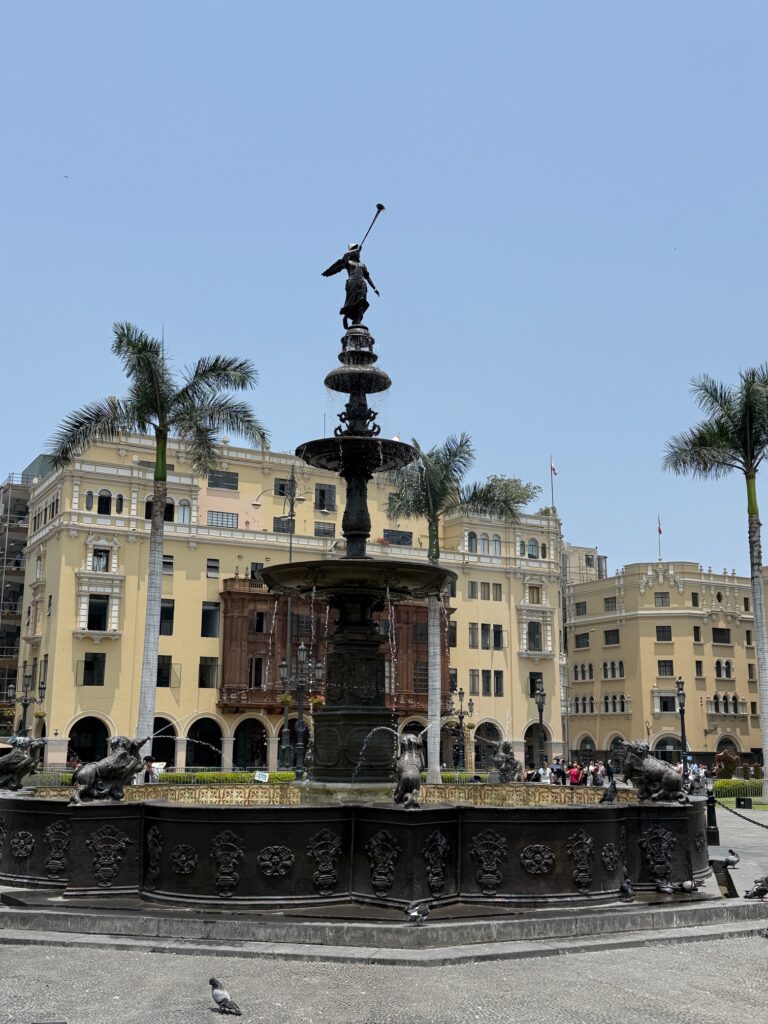
Often dismissed as a mere layover on the way to the Andes, Lima has transformed into a destination that demands its own spotlight. In 2026, the Peruvian capital is pulsing with a unique energy—where 1,500-year-old adobe pyramids sit in the shadow of modern glass high-rises, and the scent of citrusy ceviche wafts through colonial plazas.
After my recent trip, I’ve realized that Lima isn’t just a city you visit; it’s a city you feel. By skipping the frantic “checklist” and leaning into the slow travel vibe of the coastal districts, I found the true heart of the “City of Kings.”
The Art of the Afternoon: Miraflores & Barranco
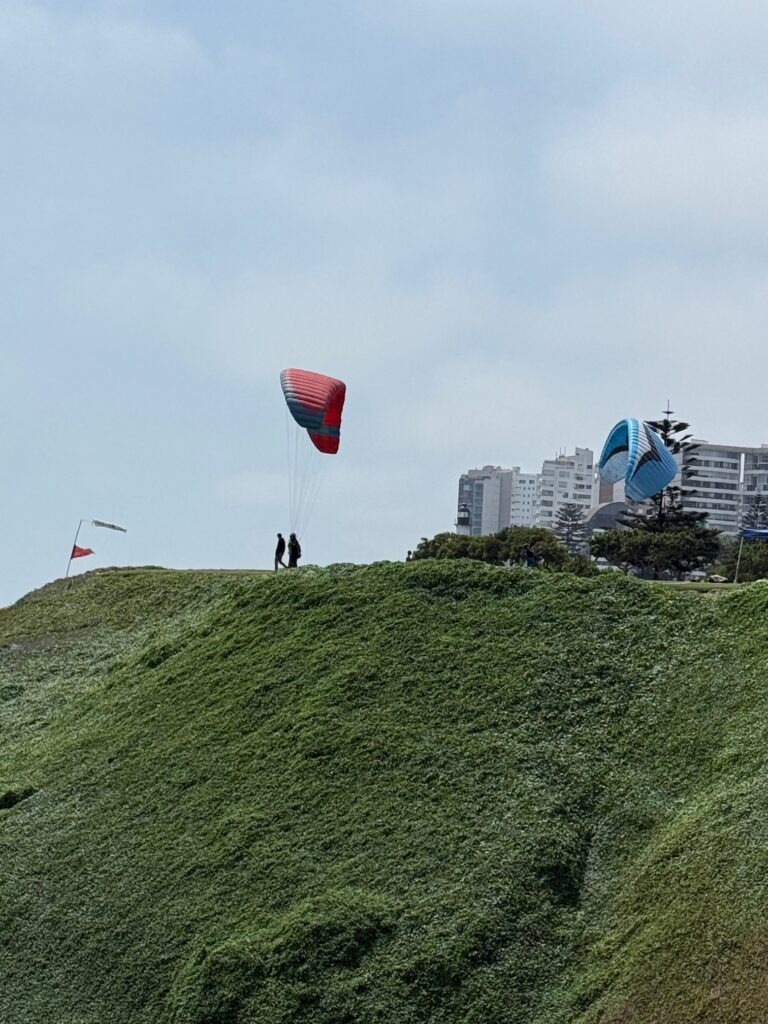
There is no better way to understand Lima’s scale than by walking the Malecón. I spent a long, hazy afternoon strolling the clifftop path in Miraflores, watching the paragliders hang like colorful kites over the Pacific.
But the real magic happened when I crossed into Barranco, the city’s bohemian soul. I spent hours simply existing in its rhythm:
- People Watching: Sitting on a bench near the Puente de los Suspiros (Bridge of Sighs), watching musicians tune their guitars while the garúa (sea mist) softened the edges of the pastel mansions.
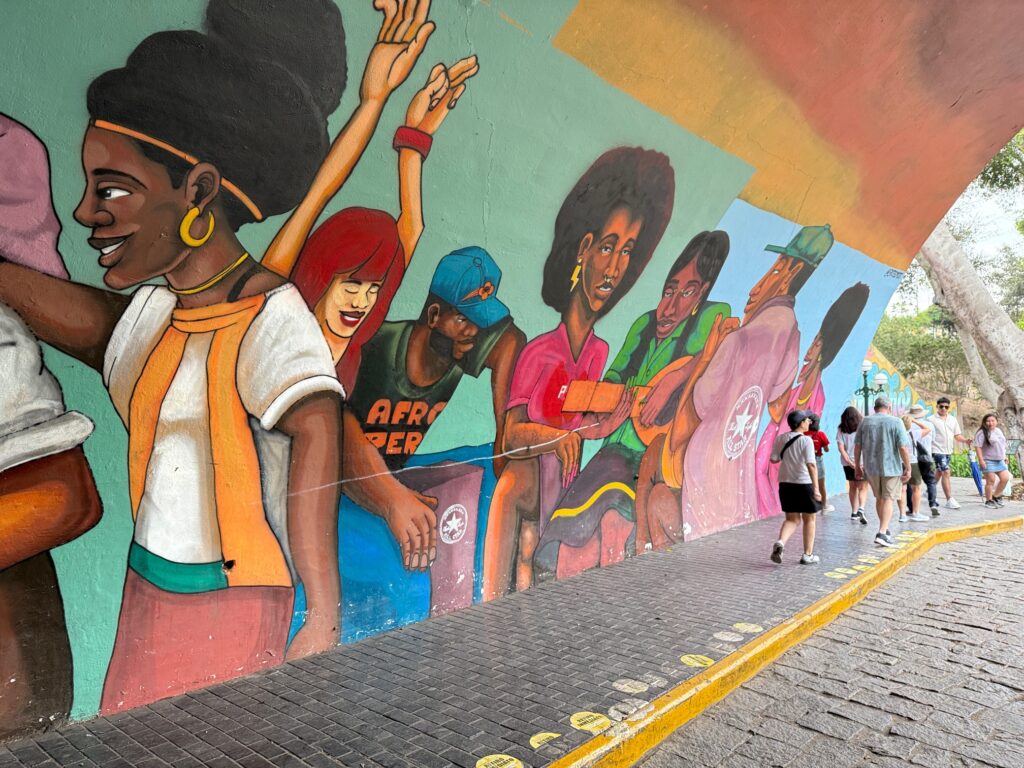
- Gallery Hopping: Barranco is a living museum. Beyond the vibrant street art, I ducked into several small, independent contemporary galleries. The blend of crumbling colonial architecture and edgy, modern Peruvian art creates a vibe you won’t find anywhere else in South America.
A Nod to a Local Legend
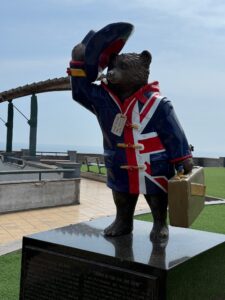
While walking the Miraflores boardwalk near Parque Salazar, I stumbled upon a familiar face: Paddington Bear. Though he made his fame in London, his tag famously reads “From Darkest Peru,” and Lima has fully embraced him as its own. There’s a charming statue of him there (a gift from the British Embassy) and even a new, colorful mural on Avenida Larco that celebrates his roots. It’s a whimsical reminder that this city has been capturing imaginations for decades.
The Main Event: A Culinary Deep-Dive
Lima is widely considered the culinary capital of the world, blending Indigenous, Spanish, African, Chinese (Chifa), and Japanese (Nikkei) influences. While the city is home to world-renowned spots like Central and Maido, the highlight of my trip was a guided food tour through Barranco.
Moving between hidden huariques (local favorites) and sleek workshops, I got a crash course in Peruvian flavor:
- The Power of Ají: Discovering that the secret to that golden glow in Peruvian food isn’t saffron, but the Ají Amarillo pepper—a fruity, sun-colored chili that provides the backbone for almost every sauce.
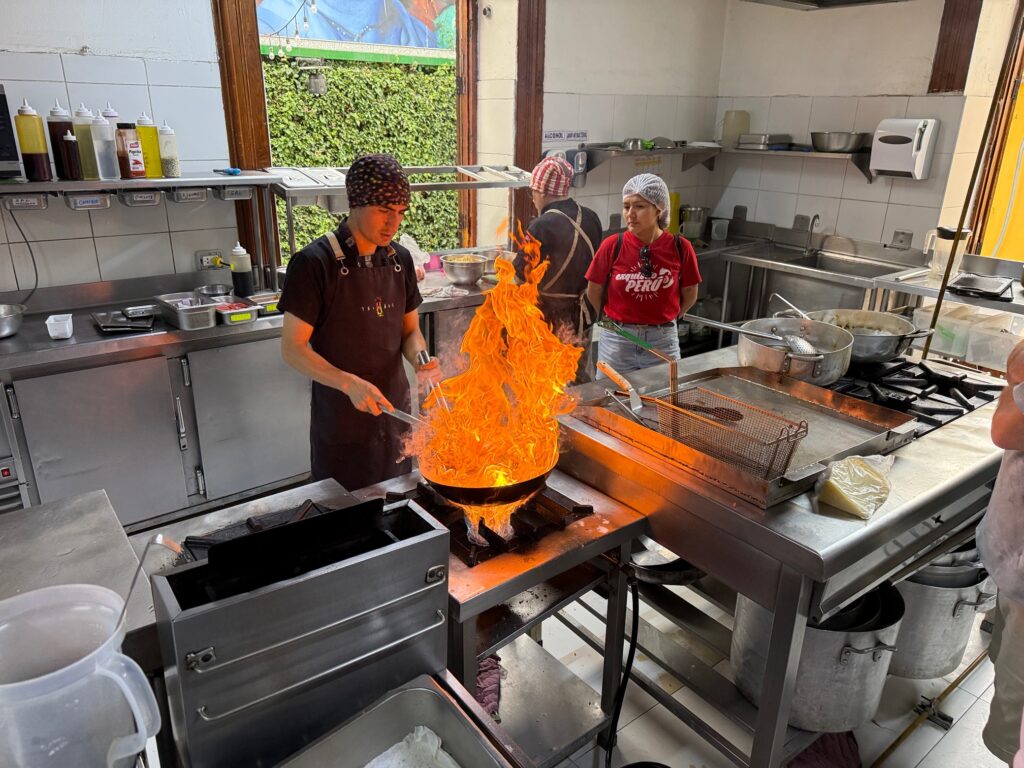
- Lomo Saltado: I learned that this iconic beef stir-fry is a masterclass in fusion; it’s prepared by searing strips of sirloin in a screaming-hot wok with soy sauce, vinegar, and red onions, then tossing them with fresh tomatoes and crispy fries to soak up the savory juices.
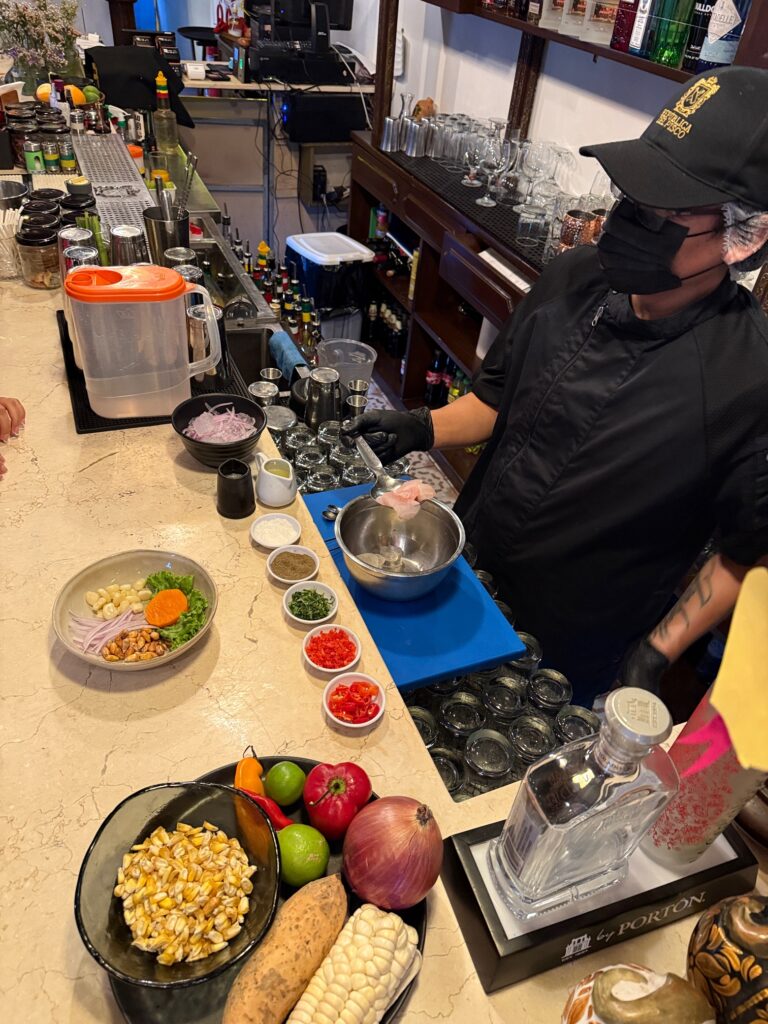
- Ceviche: Learning the secret to the leche de tigre (the citrus marinade) in a small neighborhood spot.
- Causa & Coffee: Tasting layered potato causa followed by world-class organic coffee in a converted 1920s mansion.
A Tale of Two Timelines
Even if you stay focused on the coast, Lima’s history is inescapable. I was struck by the contrast of:
- Huaca Pucllana: A massive pre-Incan pyramid made of millions of hand-made adobe bricks, located right in the middle of modern Miraflores.
- The Historic Center: A UNESCO site where you can descend into the bone-filled catacombs of the Monastery of San Francisco.
Why the “Stroll” is the Best Itinerary
The most authentic moments from my trip came from the gaps in between the landmarks. It was the smell of roasting coffee in a Barranco alleyway, the sudden burst of color from a new mural, and the sound of the waves crashing 100 feet below the cliffs.
Lima isn’t just a stopover; it’s a mood.