Havana. Images of vintage cars sputtering down sun-drenched Malecón, the rhythmic pulse of salsa spilling from open doorways, and grand, albeit sometimes crumbling, architecture whispering tales of a bygone era immediately come to mind when thinking about this historical capital. Our journey to this captivating city was all that and so much more, leaving an indelible mark on my soul. What struck me most profoundly wasn’t just the visual feast of art or the vibrant music, but the incredible warmth and resilience of the Cuban people, the fascinating juxtaposition of time periods, the explosion of flavors in the paladars, and the sheer architectural beauty (and sometimes decay) that paints a unique picture of history.
The Heart of Havana: The Unforgettable Friendliness of its People
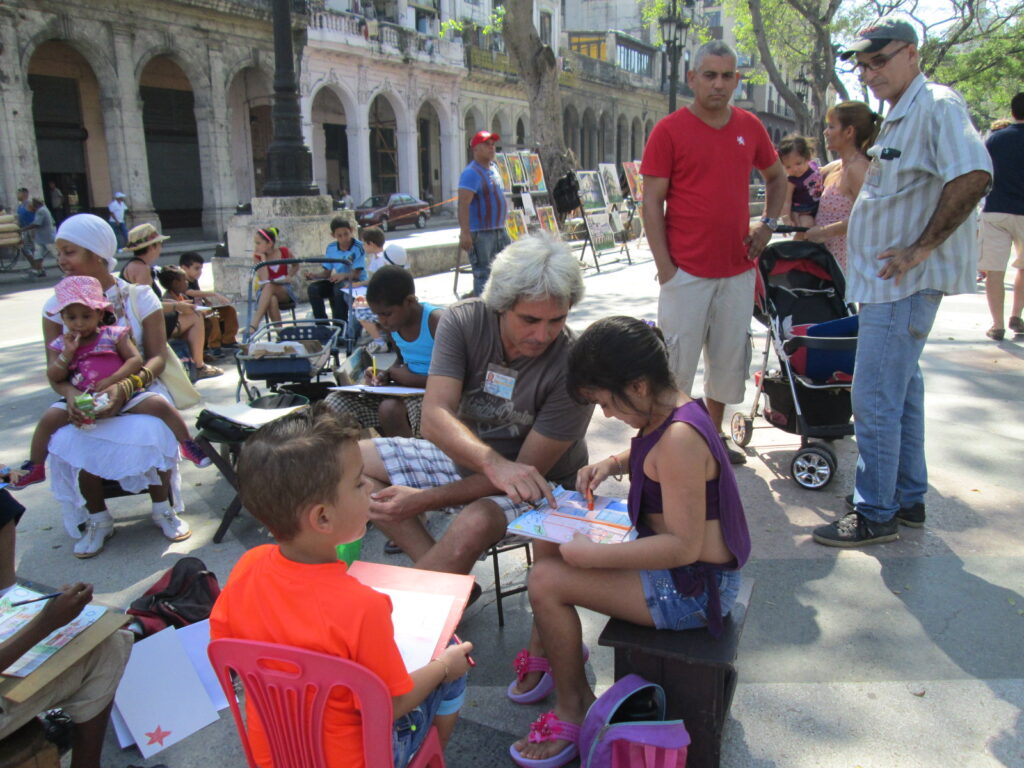
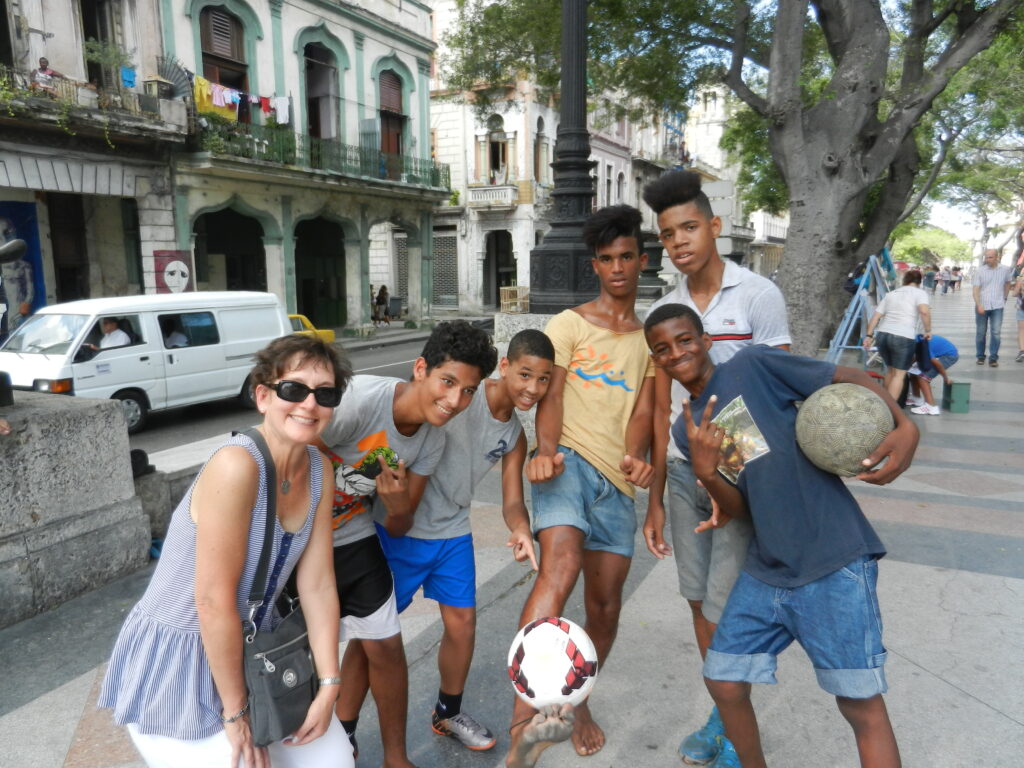
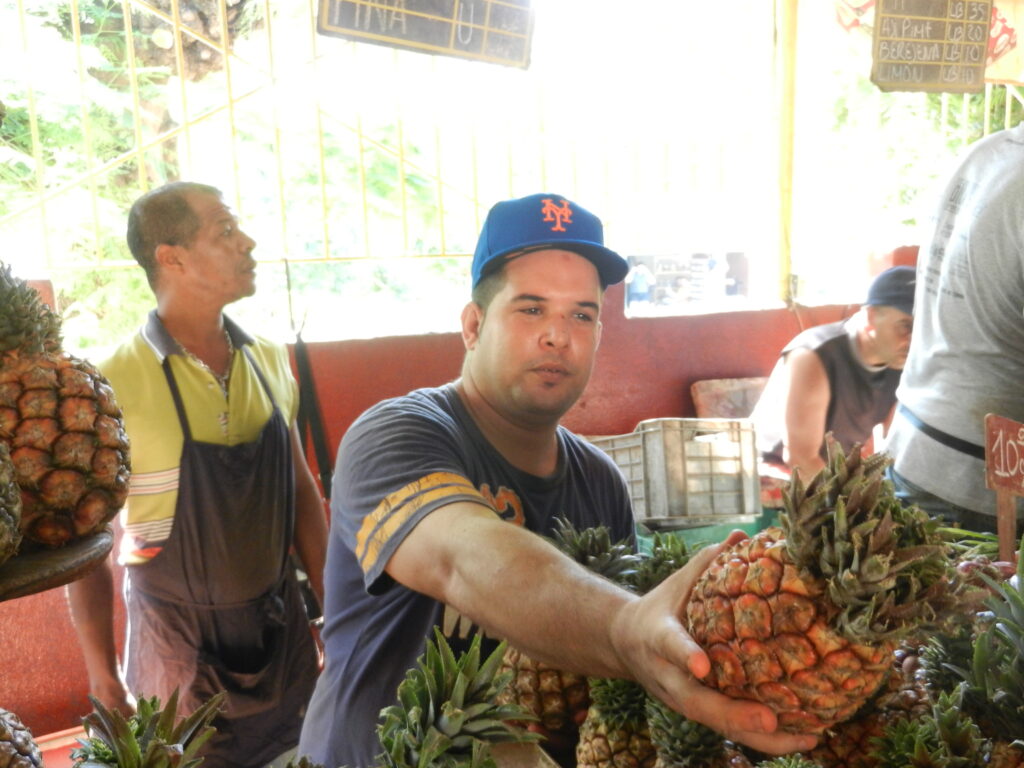
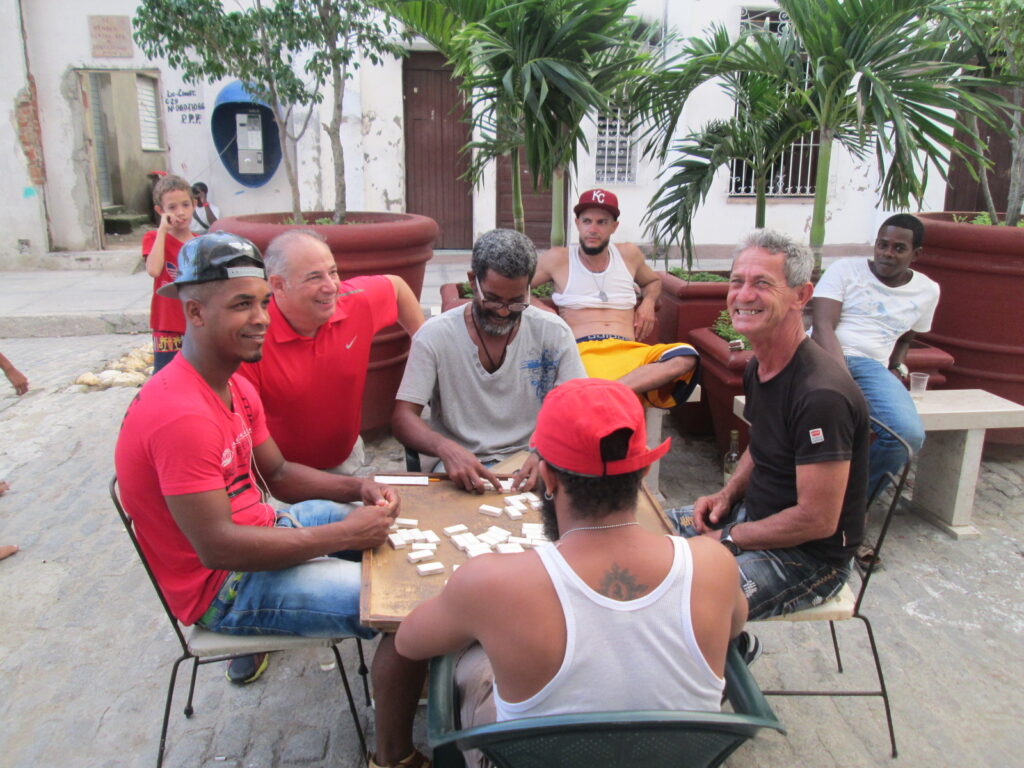
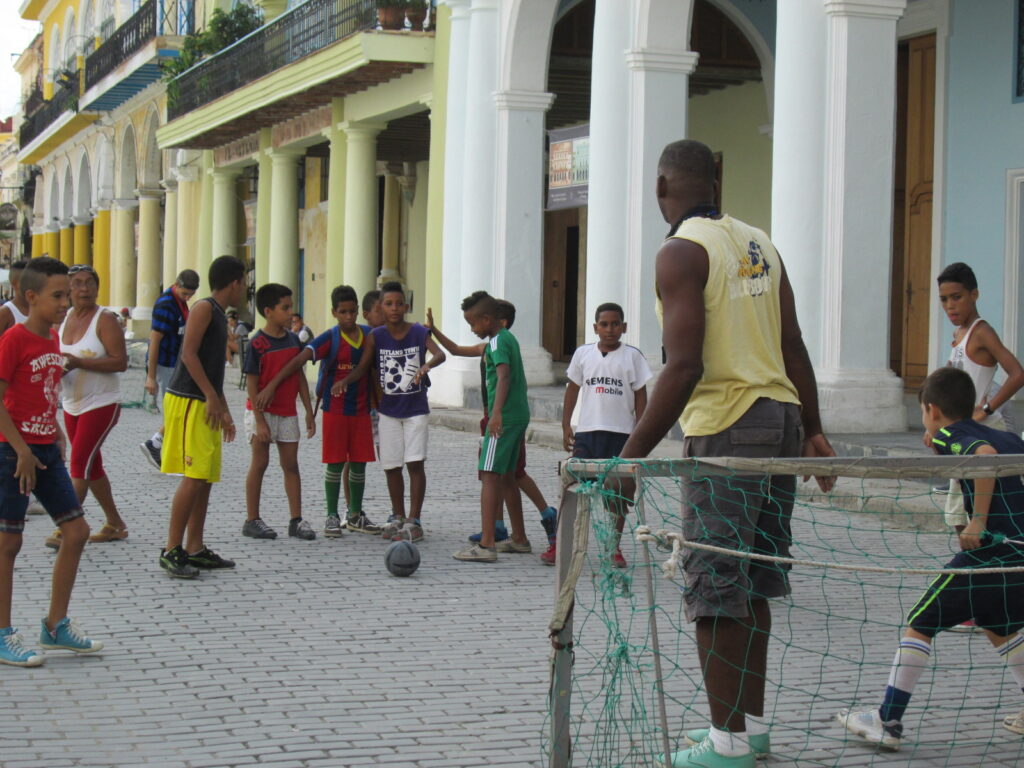
Forget any preconceived notions you might have. The Cubans I encountered were overwhelmingly welcoming, open-hearted, and eager to share their culture. From the moment you arrive, you’ll be struck by the genuine hospitality of Habaneros. Their smiles are infectious, their curiosity welcoming, and their willingness to help a traveler navigate their city truly heartwarming. Whether you’re observing a dominoes game, admiring a classic car, or watching children play futbol on the streets, you’ll find yourself met with open arms and genuine interest. With my rusty Spanish conversations flowed easily, offering glimpses into daily life, their love of baseball, hopes, and the unique perspective of a people navigating a complex world with grace and humor. This genuine friendliness remains the highlight of my visit.
A City Caught in Time: The Striking Contrasts of 1960 and Today
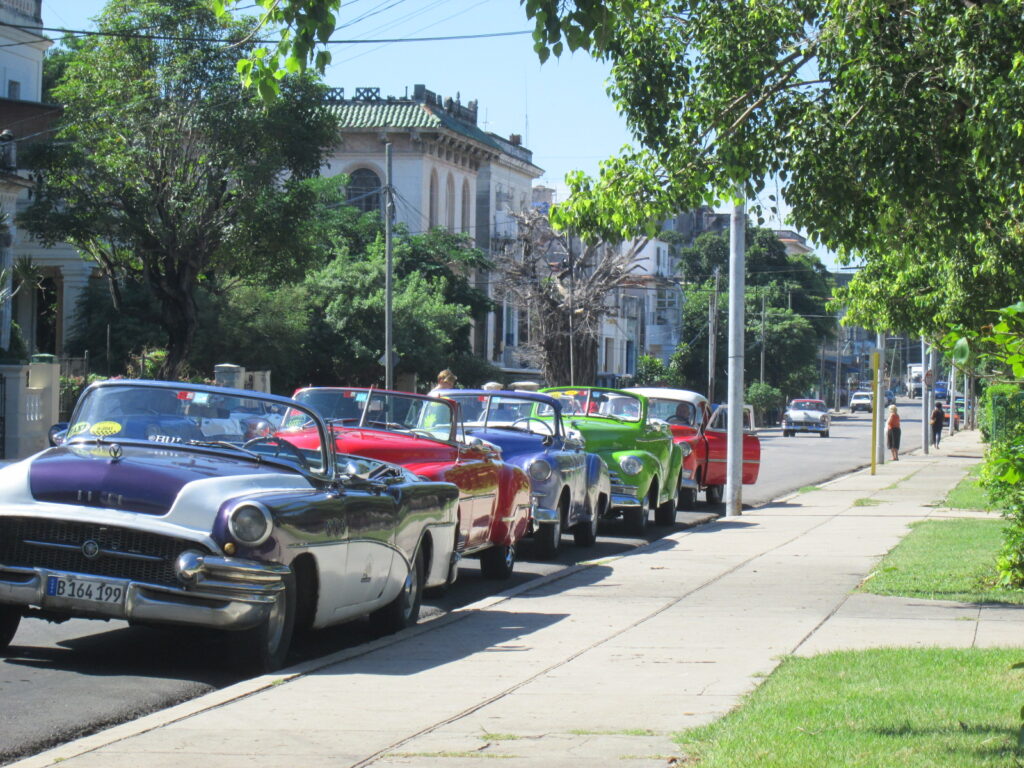
Walking through Havana feels like stepping onto a movie set, where the leading roles are played by meticulously maintained 1950s American classic cars in vibrant hues of turquoise, pink, and lime green. These automotive relics, a testament to Cuba’s ingenuity in keeping them running, stand in stark contrast to the occasional modern vehicle. This visual dichotomy extends beyond transportation. While internet access is slowly expanding, it’s not ubiquitous, leading to a slower pace of life in some aspects, a refreshing change from our hyper-connected world. You’ll see children playing in the streets, neighbors conversing face-to-face, and a general sense of community that sometimes feels lost in more developed nations. Yet, this isn’t to say Havana is stuck in the past. A burgeoning entrepreneurial spirit is evident, particularly in the rise of private restaurants and guesthouses (AirBnB is vey popular), showcasing a dynamic push towards the future while cherishing the past.
A Culinary Revelation: Exploring Havana’s Paladars
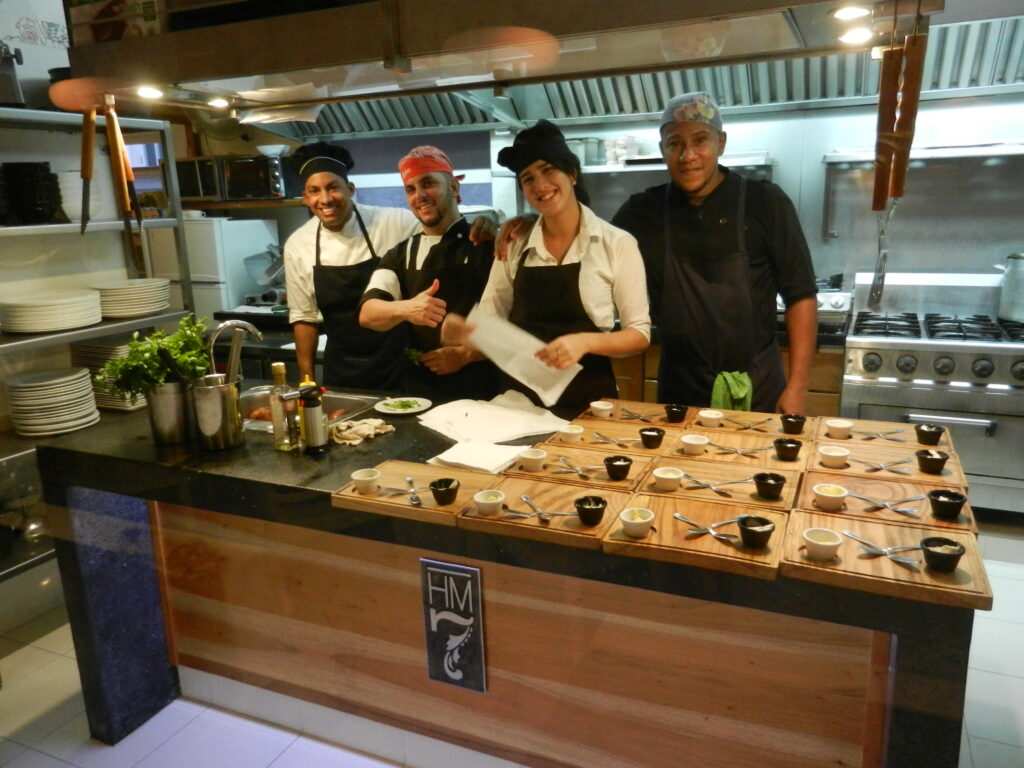
Forget state-run restaurants. To truly experience the culinary heart of Havana, seek out the paladars. These privately-owned restaurants, often operating within family homes, offer a genuine taste of Cuban cuisine and culture. Stepping into a paladar feels like being welcomed into someone’s dining room, filled with the aromas of home-cooked meals and the lively chatter of locals and fellow travelers. From flavorful ropa vieja (shredded beef) to succulent roasted pork and fresh seafood, the dishes are prepared with passion and reflect the island’s rich culinary heritage. The intimate setting and personal touch make dining in a paladar an immersive cultural experience, offering insights into Cuban life beyond the tourist trail.
The Soul of Havana: Music That Moves You
Music is the lifeblood of Havana and it’s everywhere. It pours out from open windows, echoes through the streets, and fills the air in bustling bars and intimate clubs. The infectious rhythms of salsa, son, rumba, and jazz are inescapable, inviting you to tap your feet, sway your hips, and lose yourself in the vibrant energy. Catch a live band in the historic Vedado district, join a spontaneous street party in Old Havana, or simply listen to the melodies drifting from a local’s doorway. The passion and skill of Cuban musicians are undeniable, and experiencing their artistry firsthand is an essential part of the Havana experience.
A Symphony of Stone and Style: Havana’s Architectural Tapestry
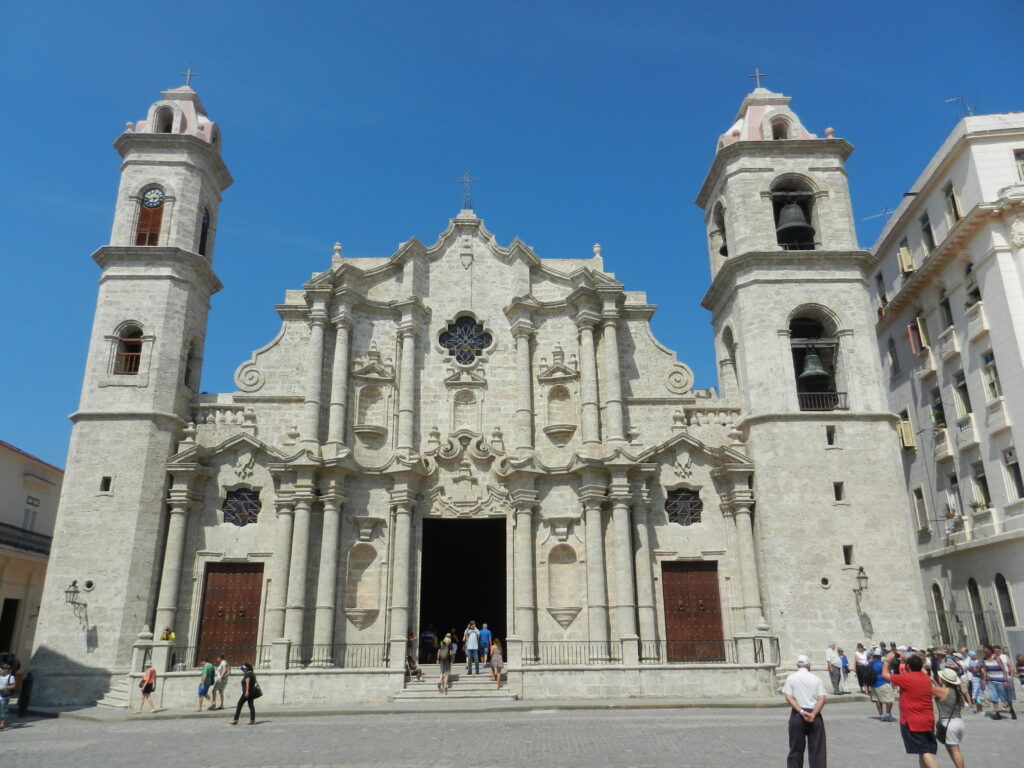
Havana’s architecture is a visual feast, a captivating blend of Baroque, Neoclassical, Art Deco, and Modernist styles, often existing side-by-side in varying states of preservation. Old Havana, a UNESCO World Heritage site, is a labyrinth of narrow cobblestone streets lined with grand colonial-era buildings, their ornate facades whispering tales of wealth and influence. While some structures bear the marks of time and the salty sea air, their faded grandeur only adds to their charm. The meticulous restoration efforts in certain areas showcase the city’s commitment to preserving its rich history. Venture beyond Old Havana, and you’ll discover the elegant avenues of Vedado, adorned with stunning Art Deco masterpieces and mid-century modern gems. Each neighborhood offers a unique architectural narrative, reflecting the different periods and influences that have shaped this fascinating city. Simply wandering the streets, gazing up at the balconies, columns, and intricate details, is a journey through time in itself.
Beyond the Surface: Embracing the Havana Experience
Havana is a city that gets under your skin. It’s a place where the warmth of the people shines brighter than the tropical sun, where the echoes of the past dance with the hopes for the future, where every meal is a celebration, and every street corner tells a story. Visiting Havana was more than just another trip for me, it was an immersion into a culture defined by its resilient and warm-hearted people, a fascinating dance between history and modernity, and a vibrant tapestry of flavors, sounds, and sights.